Water Remembers —Memories from Oregon (Chapter 5)

Me and my fro before hitting the town in Eugene, Oregon — shot by Gabriela
This last chapter in my “Memories from Oregon” series is a research dump on Oregon’s (anti)Black laws, and a film-photo dump of the state’s stunning cascades. I cannot help but to draw a connection between the two — to appreciate the majesty of Earth, you must understand the horror she’s witnessed.
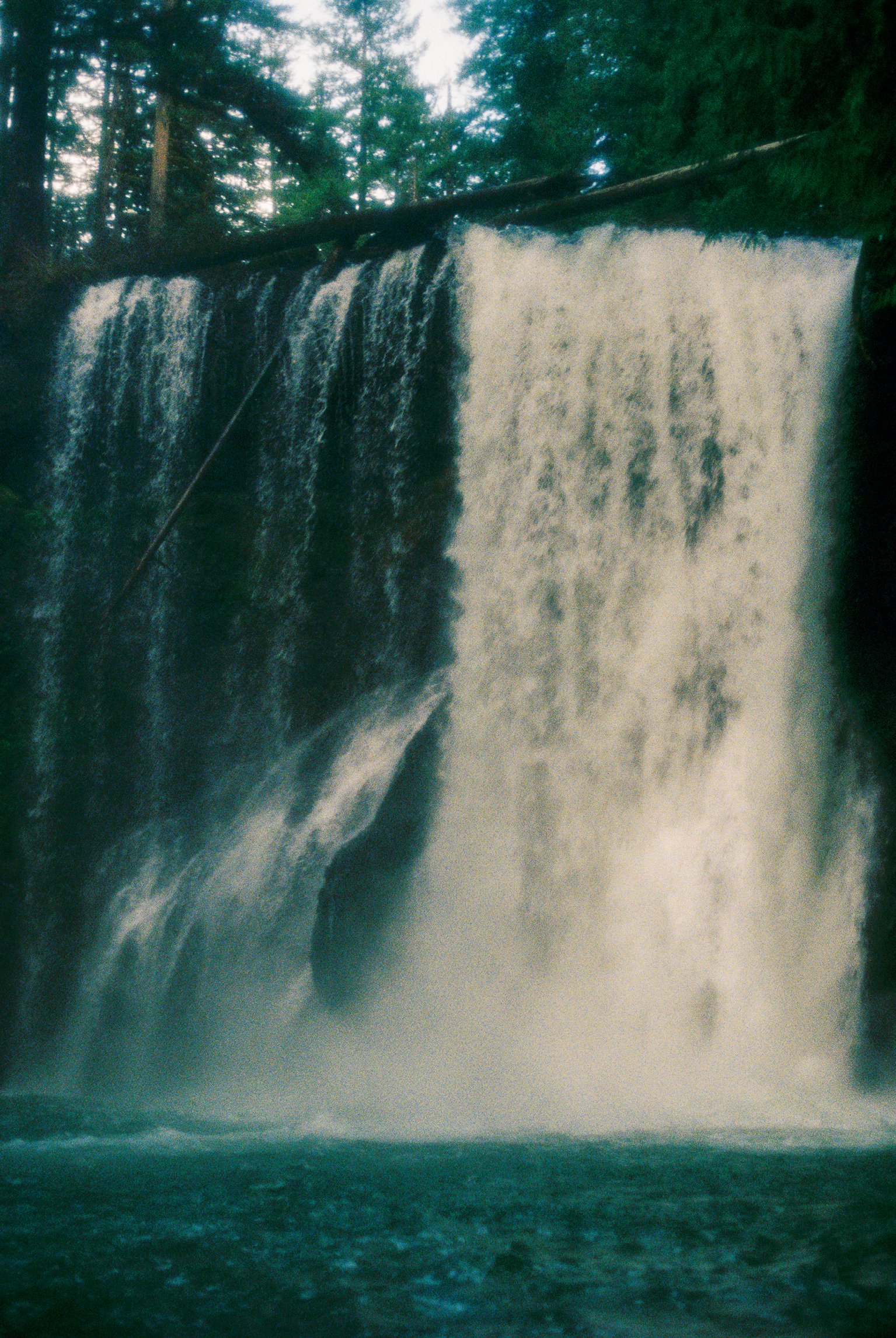
Winter Falls, Silver Falls State Park
3 Black exclusion laws in the 19th century successfully discouraged free Black people from settling in Oregon.
1. Peter Burnett’s lash law (1844) — Although Oregon’s organic laws from 1843 prohibited slavery in the territory, the laws were amended a year later by a provisional government lead by Peter Burnett. The amendments effectively legalized slavery for three subsequent years in Oregon, and stated that any Black person found thereafter would receive no less than 22 lashings and no more than 39. When speaking on his namesake law, Burnett, who later became the first governor of California, explained:
“The object is to keep clear of that most troublesome class of population [Black people]. We are in a new world, under the most favorable circumstances and we wish to avoid most of those evils that have so much afflicted the United States and other countries.”
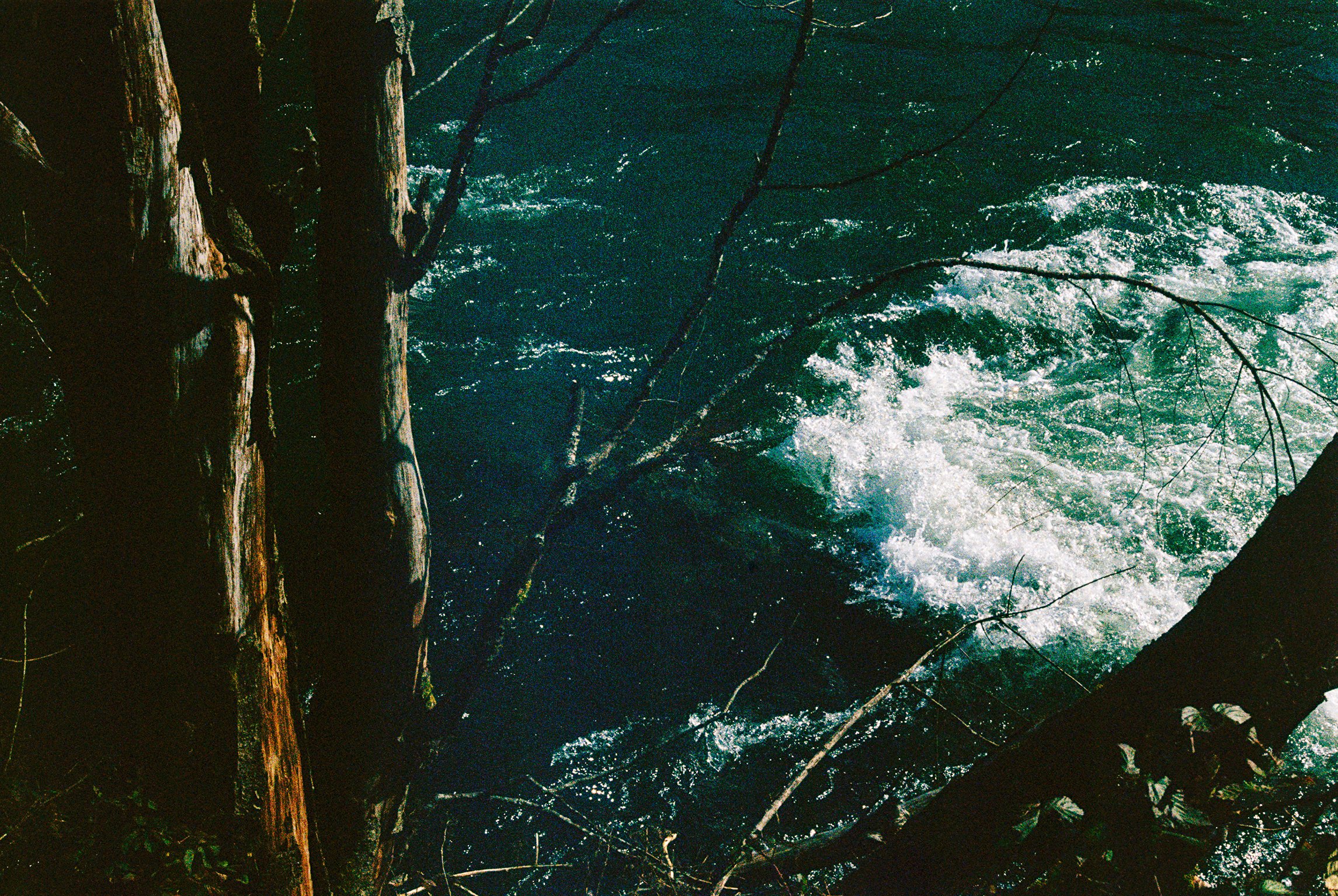
The McKenzie River
2. Law targeting black seamen (1849) – Oregon’s second Black exclusion law forbade Black people from living in the there, except for those who already resided there. The law specifically targeted Black seamen, and at least one, Jacob Vanderpool, was expelled from the state. The preamble poignantly demonstrates white settlers’ racial anxiety at the time:
“[Black people] might intermix with Indians, instilling into their minds feelings of hostility toward the white race.”
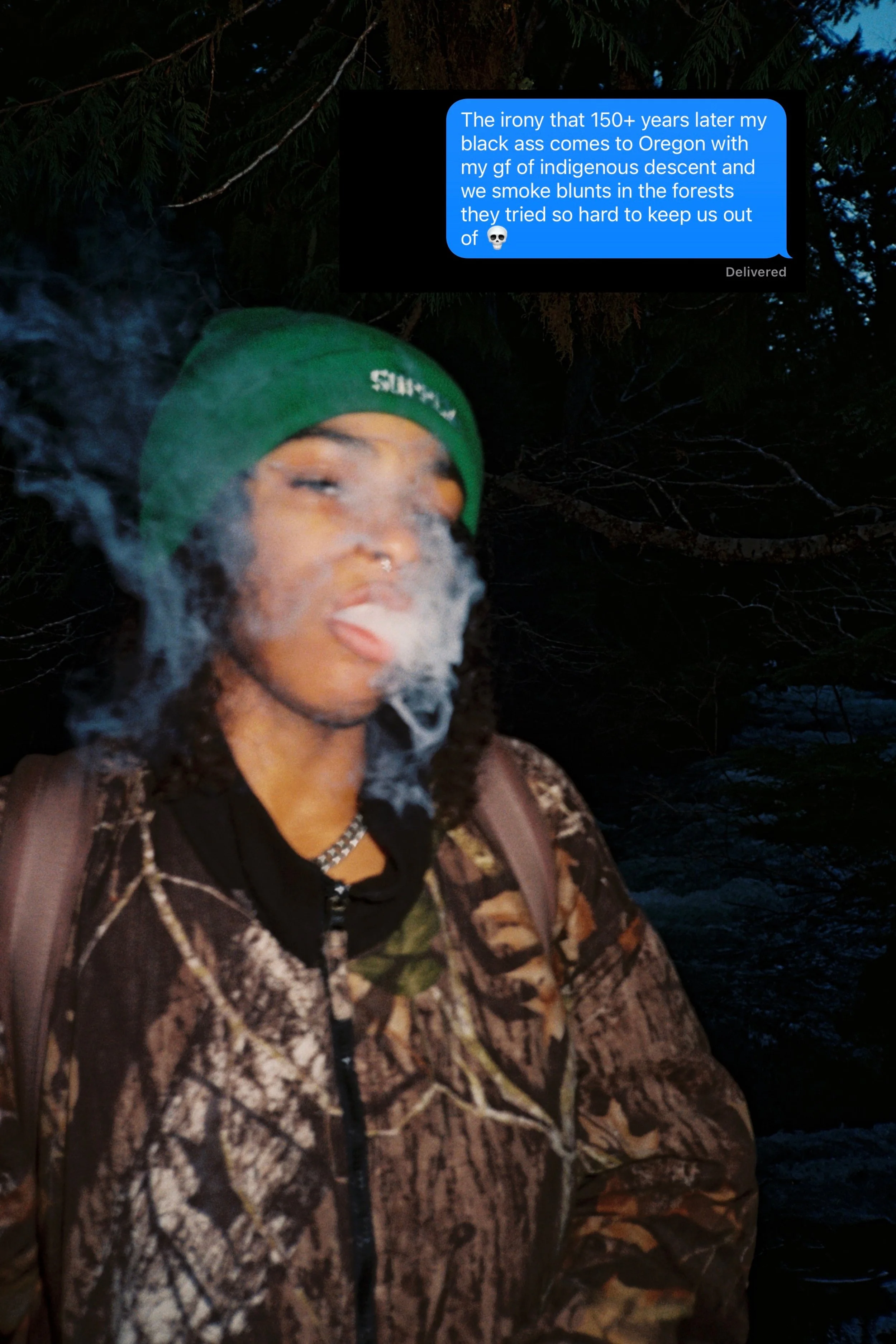
Sparking up on the trail + sending raw thoughts to my bestie — shot by Gabriela
3. Final Black exclusion law (1857) — While drafting Oregon’s constitution, delegates from the constitutional convention proposed legalizing slavery and submitted a Black exclusion clause to voters. Although members of the convention voted against slavery by a wide margin, they voted in favor of a banning Black people from settling in the state, thus making Oregon the only state to join the Union with a Black exclusion law. The following was added to Oregon’s Bill of Rights thereafter:
“No free negro or multatto, not residing in this State at the time of the adoption of this constitution, shall ever come, reside or be within this State, or hold any real estate, or make any contract, or maintain any suit therein.”
The law was not removed from Oregon’s constitution until 1926. Other racist language in Oregon’s constitution remained until 2002.
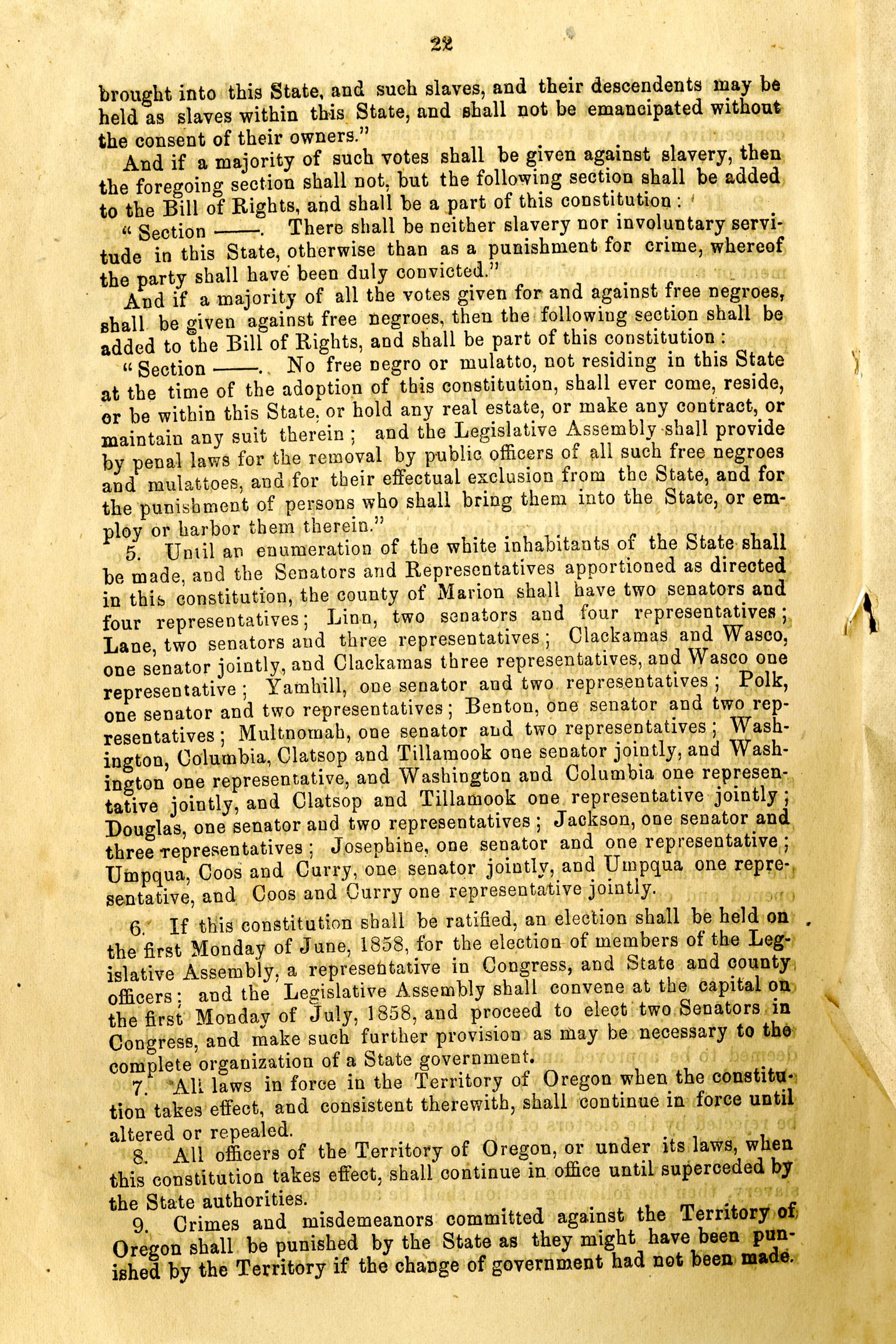
Document distributed to members of the Oregonian constitutional convention (1857). Courtesy Oreg. Hist. Soc. Research Library, Belknap 295. Accessed from Oregon Encyclopedia.
The remainder of this chapter shows portraits of three free-Black individuals who lived in Oregon during the early 19th century, despite the state’s Black exclusion laws. I’m grateful for these photos — they’re a stamp of existence and freedom. The facial expressions, the personal artifacts, the body language exhibited — the images tell a story that can never be erased (this is why I love physical media). I invite you to pay close attention.
I juxtapose these portraits with 35mm film photos of Oregon’s raging waterfalls. As Toni Morrison wrote:
“All water has a perfect memory and is forever trying to get back to where it was.”
- Toni Morrison
If water holds memory, then it is no wonder why Oregon’s running water system is as violent as it is sobering.
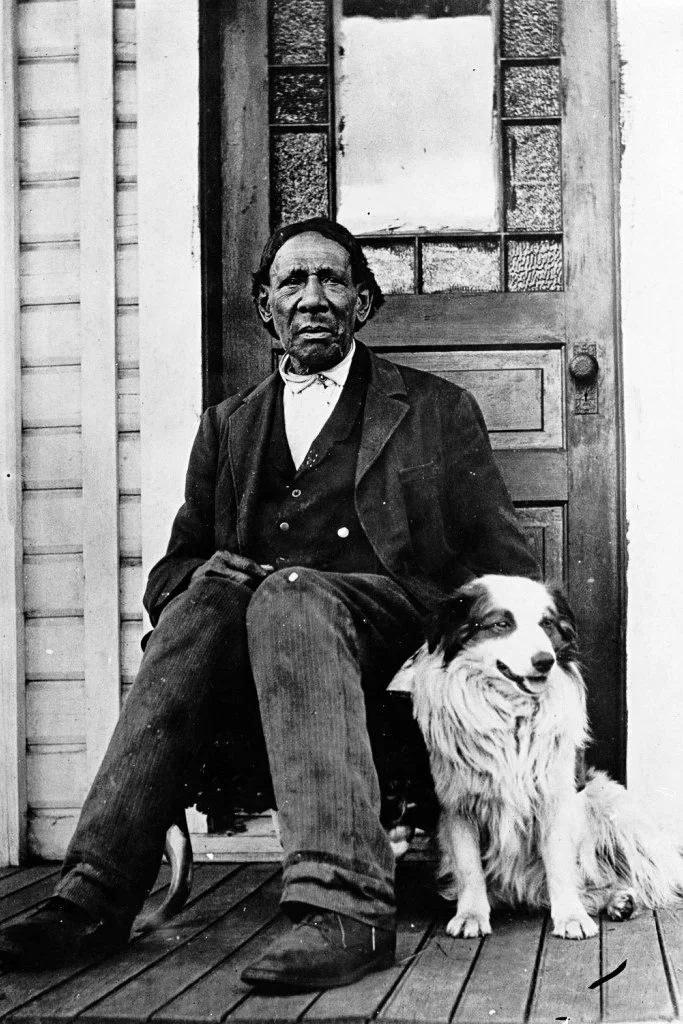
George Washington (1817-1905) - biography
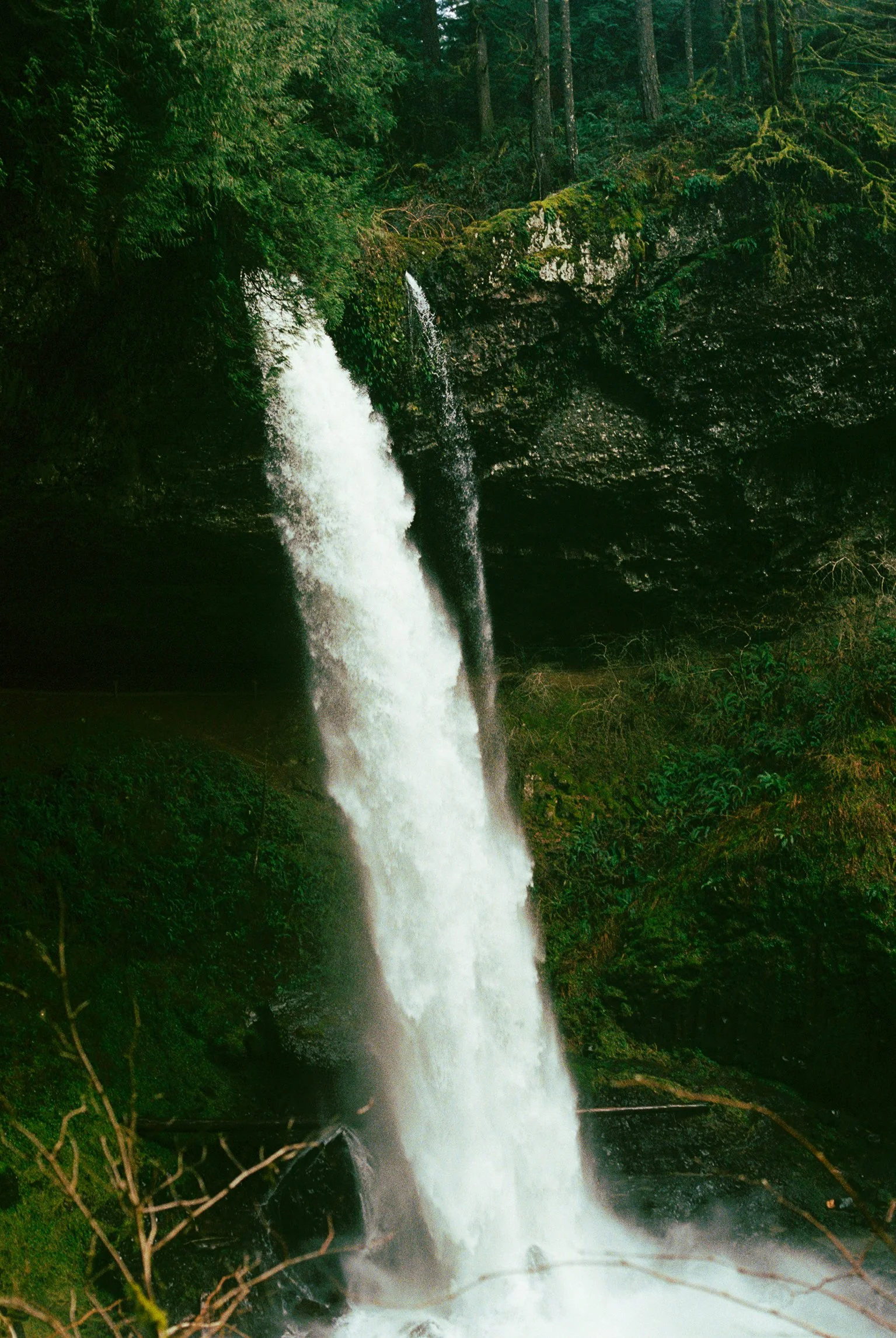
North Falls, Silver Falls State Park (Trail of Ten Falls)
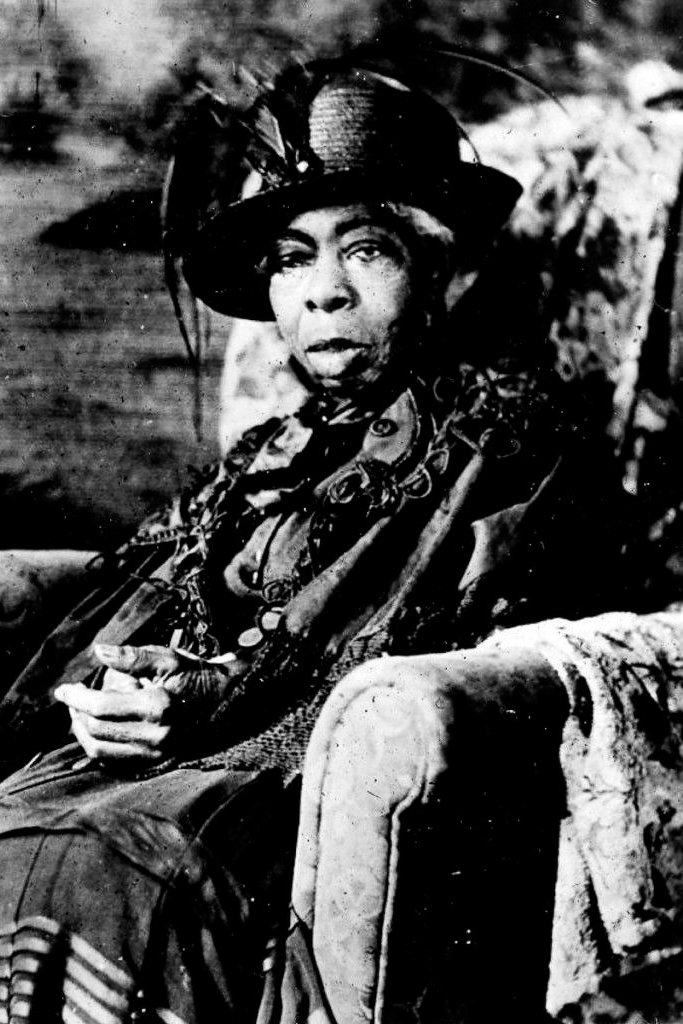
Mary Jane Holmes Shipley Drake (1841-1925) - biography
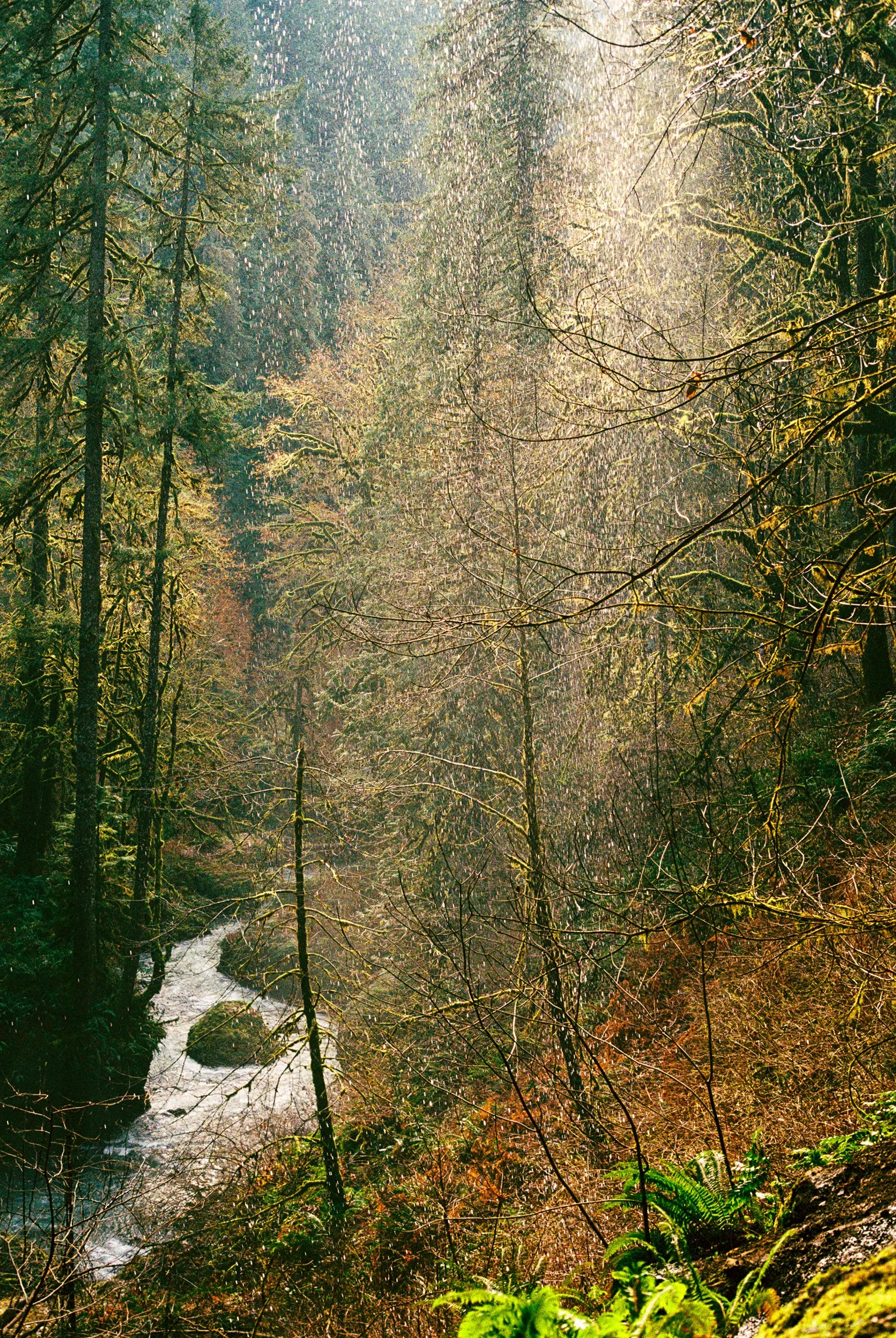
Beneath North Falls, Silver Falls State Park (Trail of Ten Falls)
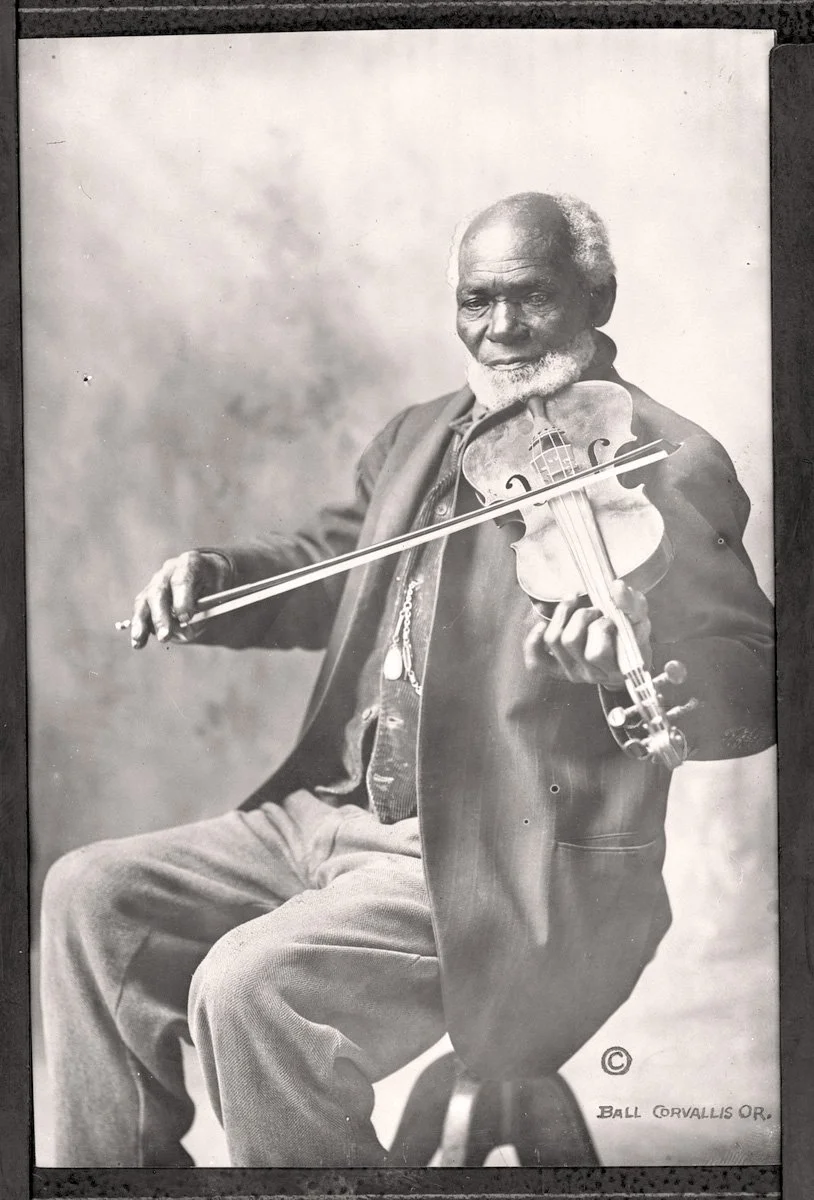
Louis (Lewis) Alexander Southworth (1830-1917) - biography

Middle North Falls, Silver Falls State Park (Trail of Ten Falls)
If you’re interested in discovering tangible ways to interact with Oregon’s Black history, I recommend reading about the Oregon Remembrance Project. Founded in 2018 by Portland native, Taylor Stewart, the goal of the organization is to reconcile Oregon’s anti-Black history, specifically as it relates to lynchings, with its present day residents. ORP hosts events, compiles educational resources, and leads community-based projects centered around “remembrance, repair, and redemption.”
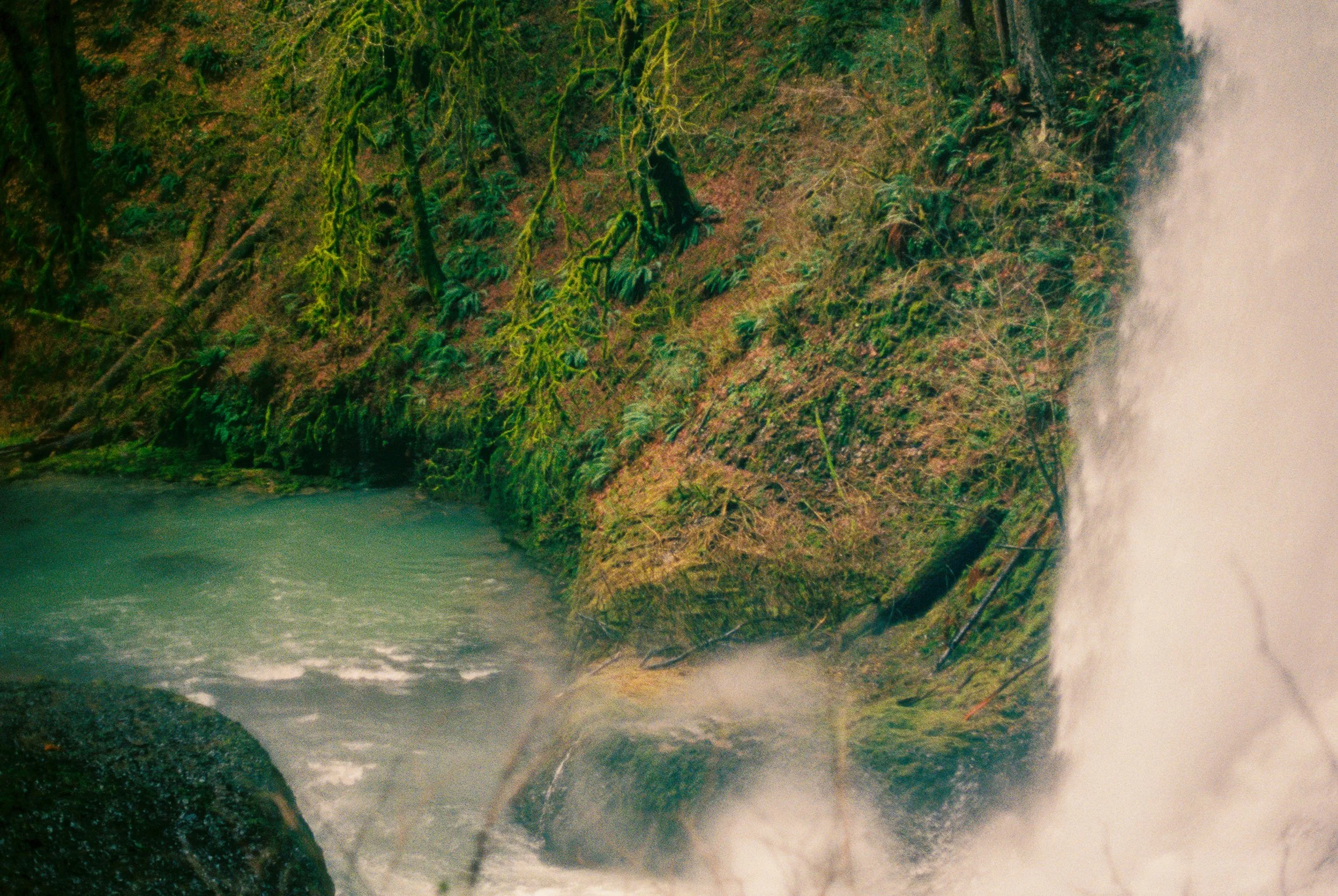
North Falls, Silver Falls State Park (Trail of Ten Falls)
